Private School Classification System in Jordan: How Can Schools Prepare? Jordan’s private school classification system has become an important topic for schools, parents, and education leaders. It provides a framework for classifying private schools and kindergartens according to institutional performance and the quality of educational outcomes.
The classification process considers more than academic results. It covers a range of areas that reflect the quality of teaching, school leadership, staff development, the learning environment, innovation, and community engagement.
This guide explains the system and how schools can prepare their internal processes, evidence, and improvement plans. What Is the Private Educational Institutions Classification System? The Private Educational Institutions Classification System is a regulatory framework for determining the category of a licensed private school or kindergarten according to its performance and the quality of its educational outcomes.
According to the published government consultation text, institutions are classified into six categories based on the total score achieved against approved standards and indicators. Institutions are ranked nationally in descending order:
- Category One includes the top 10%
- Categories Two through Five each include 20%
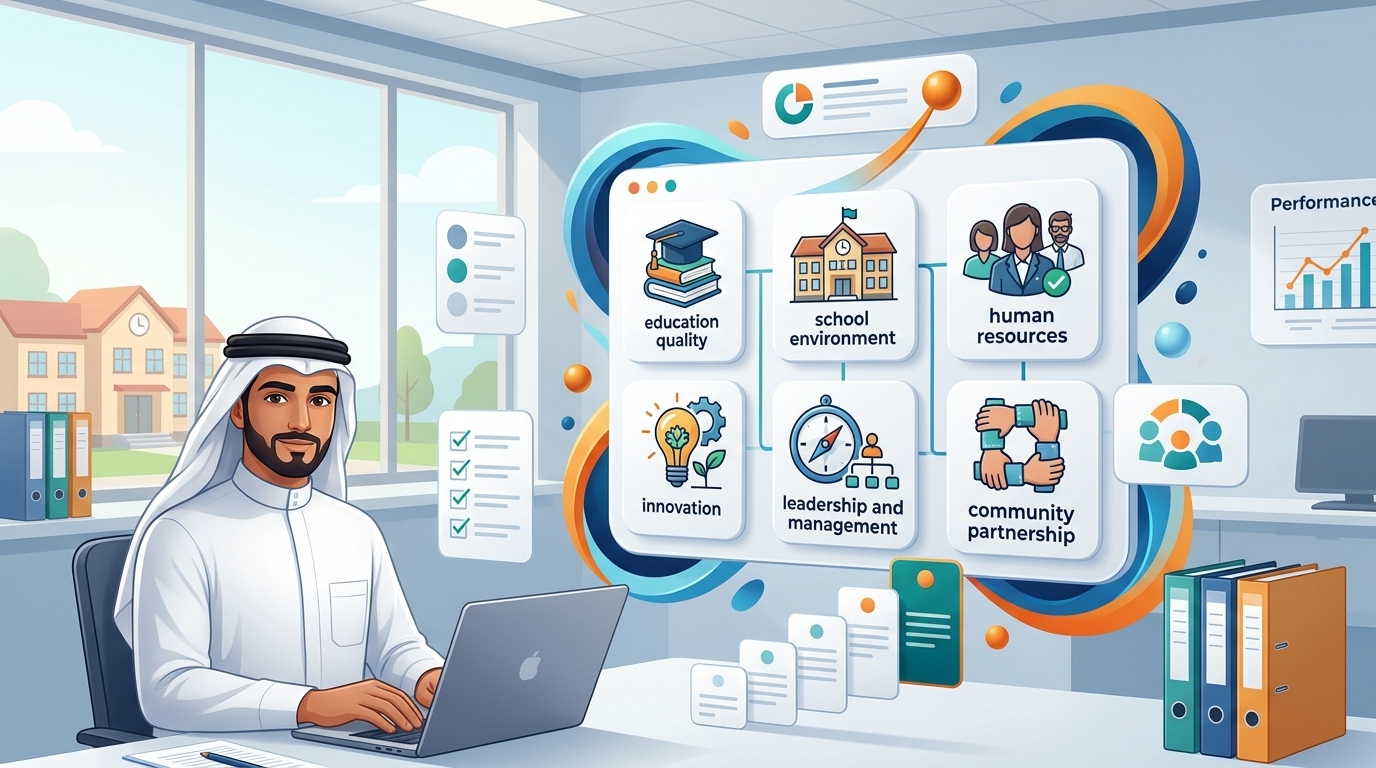
- Category Six includes the bottom 10% Classification takes place once every three years. Detailed standards, indicators, weights, and evaluation procedures are expected to be set through ministerial instructions. Jordan Government Consultation Portal Which Areas Does the Classification Cover? Government information identifies six main areas for evaluating private schools:
- Quality of education
- School environment
- Human resources
- Innovation, entrepreneurship, and creativity
- Leadership and management
- Community partnership This means that preparation for classification involves academic leaders, school administrators, human resources teams, quality teams, and staff responsible for family and community communication. Jordan Prime Ministry Is Classification the Same as School Accreditation? Classification and accreditation both focus on quality and continuous improvement, but each has its own purpose and process.
National classification determines an institution’s category under the Ministry’s system and implementing instructions. International accreditation usually assesses a school against the standards of a particular accrediting body and its institutional improvement plan.
Schools with international accreditation experience can build on practices such as:
- Written policies and procedures
- Evidence collection and document control
- Performance indicators
- Self-evaluation
- Improvement planning
- Monitoring implementation
- Clear team responsibilities Schools should align their documents and evidence with the official national instructions once they are issued. Why Does a School Need Clear Internal Systems? A school’s quality appears in its daily work. Its policies, practices, evidence, and results should also be organized so leadership can review performance and demonstrate implementation.
For example, an attendance policy becomes more meaningful when it connects to attendance records and follow-up procedures. A teacher-training program should have a training plan, attendance records, evaluation tools, and evidence of its effect on teaching practice. A school goal related to achievement or family engagement should have a defined indicator and measurable result.
Schools benefit from an internal system that turns daily work into organized information. This allows teams to identify areas for improvement well before an evaluation visit or document review. Which Documents Can Schools Start Organizing? Final requirements will depend on the Ministry’s instructions. Schools can begin by organizing evidence under clear operational areas. Area Examples of Internal Evidence Leadership and management Organizational chart, job descriptions, meeting minutes, strategic plan Quality of education Teacher plans, assessment tools, result analysis, student-support plans Human resources Staff files, professional development plans, performance reviews School environment Safety plans, maintenance records, emergency procedures, classroom environment reviews Innovation and creativity Student and teacher initiatives, project results, implementation evidence Community partnership Communication plans, parent surveys, community initiatives, follow-up results
The purpose is to help the school understand what it does, what results it achieves, who is responsible, and what should improve next. How Can Data Support Stronger Evidence? A school management system can organize operational data that schools use every day, including student records, attendance, fees, administrative processes, and staff permissions.
Schools can use organized data to:
- Review attendance patterns and follow-up actions
- Track student records and movement across academic years
- Prepare reports related to fees and installments
- Clarify staff roles and responsibilities
- Review recorded actions where audit logs are available
- Organize parent and authorized-contact details A stable student identity also helps schools maintain one connected record for each student across multiple academic years. Read more in our guide to student IDs and QR codes in school management systems. How Can Schools Prepare in Practice? Start by appointing an internal team that includes school leadership, academic staff, human resources, and quality representatives. Assign a clear owner for every area.
Then conduct a self-review of the school’s policies, procedures, and available data. Ask the following questions:
- What do we apply in practice?
- What evidence shows this practice?
- Is the evidence current, organized, and easy to access?
- What result have we achieved?
- What should improve during the next period? Create an improvement plan that identifies the responsible person, target date, required evidence, and method for measuring impact. Review the plan regularly throughout the year. How Can We Support Your School? With experience in school classification and international accreditation, we help schools build internal systems that support evaluation readiness and continuous improvement.
Our support includes:
- Reviewing the school’s current position and identifying gaps
- Developing internal policies and procedures
- Preparing reference guides and organized evidence files
- Building performance indicators and improvement plans
- Training school teams to collect and review evidence
- Linking operational processes and data to quality-management needs
- Turning everyday school practices into organized, reviewable evidence Our guide to staff permissions and audit logs explains how systems can clarify responsibilities and track actions. Our guide to school fee installments and overdue payments covers the organization of student financial data. Preparing for Continuous Improvement The classification system gives schools an opportunity to review performance comprehensively and build a clear improvement path. When policies are applied, data is organized, responsibilities are assigned, and evidence is current, the school is better prepared for evaluation and better positioned to improve its educational experience.
Book a consultation to discuss your school’s readiness for Jordan’s private educational institutions classification system and the internal systems needed to support it.